
Imagine cruising down the highway powered entirely by the sun. As solar technology advances, more riders are considering this eco-friendly option, but is it really the best choice? While harnessing solar energy for your motorcycle can reduce your carbon footprint, it also comes with its share of challenges. Did you know that solar panels can increase the weight of your bike by up to 50 pounds?
This raises important questions about performance and practicality. Are the benefits worth the trade-offs? Exploring the pros and cons of solar-powered motorcycles can help you make an well-informed choice that aligns with your values and riding style. Let’s jump into the details and discover whether the sun is truly the ultimate fuel for your next adventure.
Pros And Cons Of Powering Your Motorcycle With The Sun
Powering your motorcycle with solar energy is an intriguing option, but it comes with both benefits and drawbacks.
Pros
- Eco-Friendly Energy Source
You significantly reduce your carbon footprint by harnessing solar power. Isn’t it exciting to think you can ride with a clear conscience, knowing you’re not contributing to pollution? - Low Operating Costs
With solar panels, your energy costs can plummet. Imagine refueling your ride with sunlight instead of gas—it’s like having a free ride on sunny days. - Energy Independence
Using solar panels offers you a level of self-sufficiency. You may find yourself feeling empowered as you tap into nature’s power instead of relying solely on gas stations.
- Increased Weight
Solar panels can add substantial weight to your motorcycle. As mentioned, it could be up to 50 pounds. This may impact your bike’s handling and performance. Can you imagine how that extra mass could alter your ride? - Initial Investment
While the long-term savings are appealing, the upfront cost of installing solar panels can be significant. Is it worth shelling out a chunk of change for tech that might be heavy and complex to manage? - Dependence on Sunlight
Your solar-powered ride won’t be as effective on cloudy days, and nighttime is a no-go. If you live in an area with inconsistent sunlight, you might find frustration instead of freedom.
While solar panels for motorcycles provide a glimpse into a sustainable future, the practical limitations don’t suit every rider. Are you ready to embrace the solar lifestyle? Explore how solar panels can fit into your riding adventures and take a step towards eco-conscious biking today.
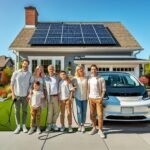 How to charge your electric vehicle for free with solar power
Advantages
When it comes to powering your motorcycle with solar energy, the advantages are compelling. You don’t just embrace a solar lifestyle; you actively contribute to a greener planet. Let’s dive deeper into some specific benefits you can enjoy.
Environmental Benefits
Choosing solar panels for your motorcycle significantly reduces your carbon footprint. Think about it: by tapping into renewable energy from the sun, you’re decreasing your reliance on fossil fuels. This change can lead to cleaner air and a reduction in greenhouse gases. The transition to solar energy aligns perfectly with the movement toward sustainability. Imagine riding guilt-free, knowing that your bike runs on clean energy, while many others still depend on polluting sources.
Cost Savings
Who wouldn’t want to cut costs? With solar panels, you could save substantially on energy bills over time. Although the initial investment in solar technology may seem high, think of it as a long-term financial strategy. Once installed, the operational costs are negligible, and you’ll likely see a return on investment in just a few years. Picture yourself touring without the constant concern of fuel prices fluctuating. Plus, many solar panels require minimal maintenance—another expense you can stop worrying about!
Energy Independence
Ever feel tethered to traditional energy sources? Solar-powered motorcycles offer a sense of freedom that’s hard to beat. By harnessing the sun, you’re less affected by the unpredictability of fuel shortages or price hikes. This energy independence allows you to take your rides further while enjoying the peace of mind that comes from knowing you’re generating your power. Isn’t it exciting to think that your adventures aren’t limited by external factors?
Read also:How to charge your electric vehicle for free with solar power Essential tips to keep your solar-powered RV running smoothly
Disadvantages
While transitioning to a solar-powered motorcycle can seem revolutionary, it’s essential to weigh the potential drawbacks. Here, we’ll jump into the disadvantages you might encounter on your solar journey.
Initial Investment
Let’s face it: solar panels don’t come cheap. The upfront costs associated with installing solar panels on your motorcycle can be substantial. You might be looking at several thousand dollars just for the panels and the necessary equipment to connect them effectively. Think of it like buying a premium bike. Sure, you get quality, but it strains your wallet. Are you really ready for that investment? But, remember, this cost can be offset over time through significant energy savings. It’s a classic case of paying more now for benefits later.
Performance Limitations
The performance of solar-powered motorcycles can be a mixed bag. You might notice that on cloudy days or during winter months, your solar panels generate less energy. It’s like trying to start a campfire in the rain; it just doesn’t have the same impact. This variability can affect your bike’s range and battery life. If you enjoy long rides through shaded forests or areas with frequent rain, you’ll need to plan your routes carefully. It’s vital to weigh your typical usage against these performance limitations, so you’re not stranded without power during a weekend adventure.
Charging Time
How does waiting for a charge sound? Depending on weather conditions and the efficiency of your solar panels, charging your motorcycle can take significantly longer than traditional electric charging. While you might be used to a quick pit stop at a gas station, solar charging can feel like watching paint dry. It could take hours, especially if your panels aren’t optimized for maximum sunlight absorption. If your ride consists of multiple short trips throughout the day, you might find the charging time inconvenient. Can you see yourself planning your day around a charge? Assess if this aligns with your lifestyle before embracing a solar lifestyle.
Read also:How to charge your electric vehicle for free with solar powerEssential tips to keep your solar-powered RV running smoothly How solar bikes are changing the future of urban mobility
Exploring the ins and outs of solar-powered motorcycles allows you to make informed decisions. If you’re intrigued by the potential of solar energy, consider checking out various solar panel options to see what fits your needs best.
Features
When considering the shift to solar-powered motorcycles, understanding the key features of this technology is essential. Solar energy presents an innovative pathway to not only reduce your carbon footprint but also integrate sustainability into your riding lifestyle.
Solar Panel Types
The type of solar panels you choose can significantly impact your motorcycle’s performance. There are mainly two types: monocrystalline and polycrystalline. Monocrystalline panels are made from a single crystal structure, which allows them to convert sunlight into electricity more efficiently. This means they take up less space on your bike, which is crucial for maintaining that sleek look and aerodynamics. On the other hand, polycrystalline panels are generally less efficient and can be more affordable. But do they offer the same power output? Not quite. If you’re serious about maximizing your energy production, investing in high-quality monocrystalline panels might be the way to go. Just imagine being able to charge your battery fully even on partially sunny days—now that’s living the solar lifestyle!
Battery Storage Options
Now let’s talk about battery storage—the heart of your solar motorcycle system. Lithium-ion batteries are the most common choice for storing solar energy. They offer high energy density and longer lifespan compared to traditional lead-acid batteries. Think of it this way: would you prefer a battery that lasts longer between charges or one that needs frequent replacements? Most riders opt for lithium-ion for its reliability and efficiency. Another option gaining traction is lithium iron phosphate batteries, which are known for their safety and increased thermal stability. Just like picking the right solar panel type, choosing the right battery can enhance your riding experience. After all, who wouldn’t want to go further on a sunny day, powered entirely by the sun? Explore the available options to find the best fit for your motorcycle’s needs.
Read also:How to charge your electric vehicle for free with solar powerEssential tips to keep your solar-powered RV running smoothlyHow solar bikes are changing the future of urban mobility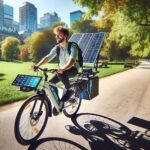 Things to know before investing in a solar-powered bicycle today
Performance
When you’re considering powering your motorcycle with solar energy, performance is at the forefront of your mind. How effective are solar panels in real-world conditions? The answer might surprise you.
Real-World Efficiency
In practice, the efficiency of solar panels can vary, and factors like panel type, sunlight exposure, and weather conditions play crucial roles. Take monocrystalline panels, for example. They are known for their high efficiency of converting sunlight into electricity, achieving conversion rates of over 20%. This means you can make the most of your ride, benefiting from reduced reliance on traditional fuel sources. On the other hand, polycrystalline panels, while more budget-friendly, typically offer lower efficiencies around 15-17%. If your motorcycle isn’t getting regular sunlight exposure, these efficiency differences can significantly impact your riding experience and the energy you generate. Do you want to be stranded halfway to your destination because your panels didn’t perform to expectations?
User Experiences
Users of solar-powered motorcycles have shared a spectrum of experiences. Many appreciate the freedom that comes with generating your own energy and riding without the worry of gas prices. These bikers feel empowered by adopting a solar lifestyle that aligns with their eco-conscious values. But, some have noted limitations in performance during cloudy days or winter months when sunlight is scarce. Picture this: You’re on a road trip, skies are gray, and your battery levels drop. It’s a learning curve; finding the right balance between solar panel output and battery storage capacity becomes essential. Real estate matters, too; those who optimize their mountings maximize exposure. This performance intricacy makes you ponder: Is investing in solar still worth it? For many, the combination of sustainability and independence holds incredible value. If you’re curious about how solar panels could enhance your motorcycle experience, why not explore your options further? You might find the perfect solution waiting just for you.
Comparison
When weighing your options for powering your motorcycle, it’s essential to compare traditional fuel sources with solar power. Each has its own benefits and drawbacks that you should consider. For instance, traditional fuels like gasoline offer convenience and established infrastructure. But, the rising fuel costs can strain your budget and increase your carbon footprint. On the other hand, solar power provides a sustainable alternative. Imagine riding down the highway knowing your energy is clean and renewable. With solar panels increasingly dropping in price, embracing a solar lifestyle makes solar energy a more enticing choice than ever before.
Traditional Fuel vs. Solar Power
When it comes to raw power, traditional fuel systems have proven themselves over decades. But have you thought about the long-term effects? Gasoline systems may seem powerful, but solar panels offer a level of energy independence that’s hard to match. As the technology improves, modern solar panels are becoming more efficient, converting sunlight into usable energy with little maintenance. Plus, consider the thrill of not having to stop for gas anymore. You can harness the sun’s energy during your rides, essentially becoming your own energy source. What could be more liberating than that?
Other Renewable Energy Options
Solar energy isn’t the only game in town, but it’s certainly one of the most compelling. Have you explored other renewable energy options for your motorcycle? Wind energy and biofuels also have their advantages, but they are not as accessible as solar energy. Wind power requires specific locations with consistent wind, and biofuels may not be readily available everywhere. In contrast, solar panels can be installed almost anywhere, allowing flexibility for any rider looking to adopt a solar lifestyle. Imagine being able to plug your bike directly into a source of renewable energy, say goodbye to fossil fuels, and truly embrace a clean, sustainable future. Interested in making the switch? Jump into the world of solar panels for life and discover how easy it can be to shift towards a greener riding experience.
Testing
When considering solar power for your motorcycle, it’s essential to evaluate the practical aspects through hands-on testing. This will help you understand how effectively solar panels can enhance your riding experience.
Installation Process
Installing solar panels on your motorcycle might feel daunting, but it’s more straightforward than you think. First, choose between monocrystalline and polycrystalline panels based on your budget and space constraints. The mounting process typically requires brackets and simple tools. Think of it like attaching a luggage rack; once you have it secured, you’re almost set to go. Typical installation takes a few hours, and many riders find themselves enjoying the process as they envision their solar lifestyle. Have you considered how freeing it feels to ride knowing you’re using clean energy?
Ride Experience
Once your solar setup is complete, the ride becomes something special. Picture this: you’re cruising down an open road with the sun shining, and your motorcycle is powered by renewable energy. Not only is the silence blissful, but the efficiency can also be quite remarkable. Riders report increased range due to the energy harvested from sunlight, allowing you to travel further without stopping for fuel. Also, there’s a certain thrill in knowing your bike runs on clean power, turning heads as you pass. There’s nothing like the sense of freedom and sustainability that accompanies the solar lifestyle. So, why not gear up and explore how solar panels for life can transform your riding adventures?